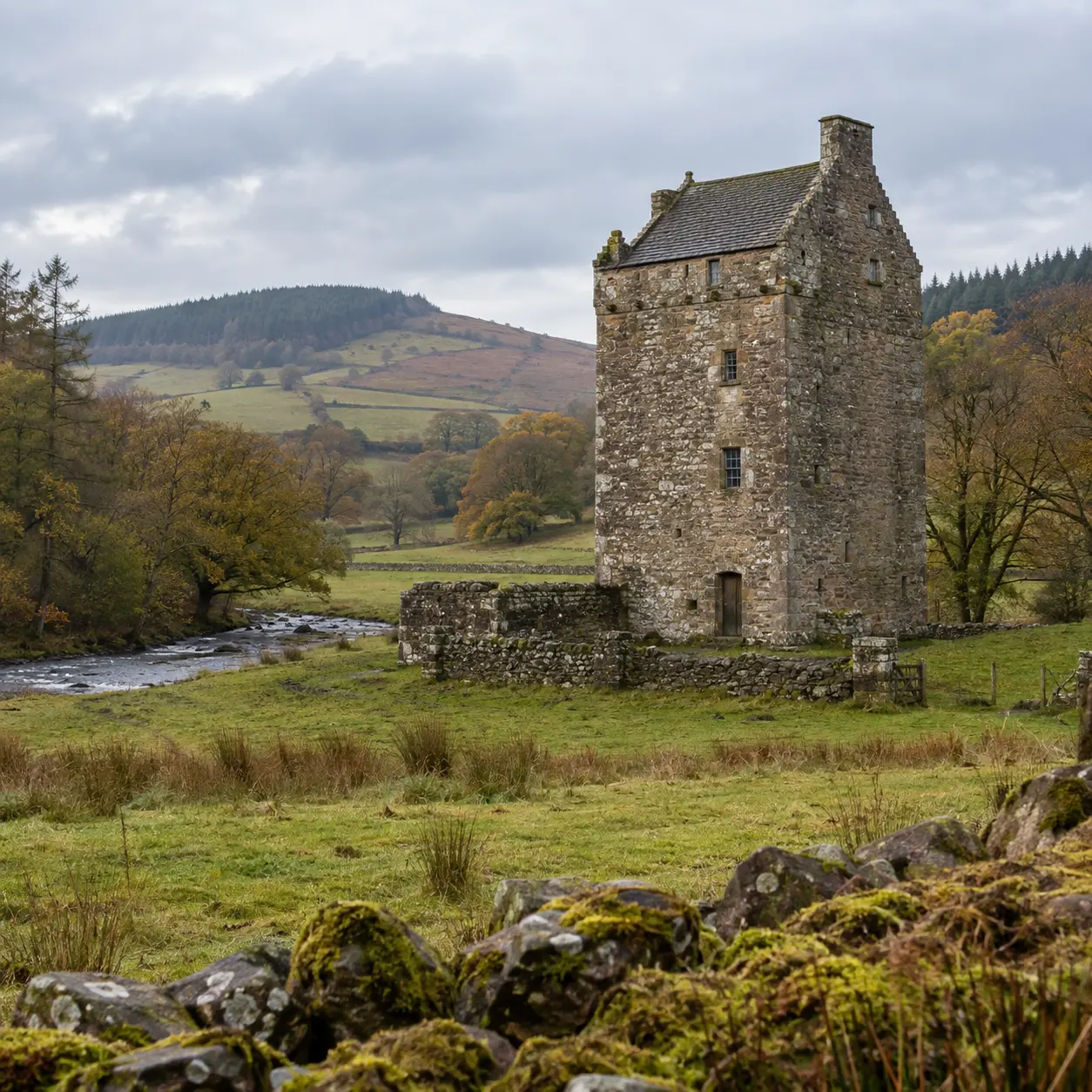
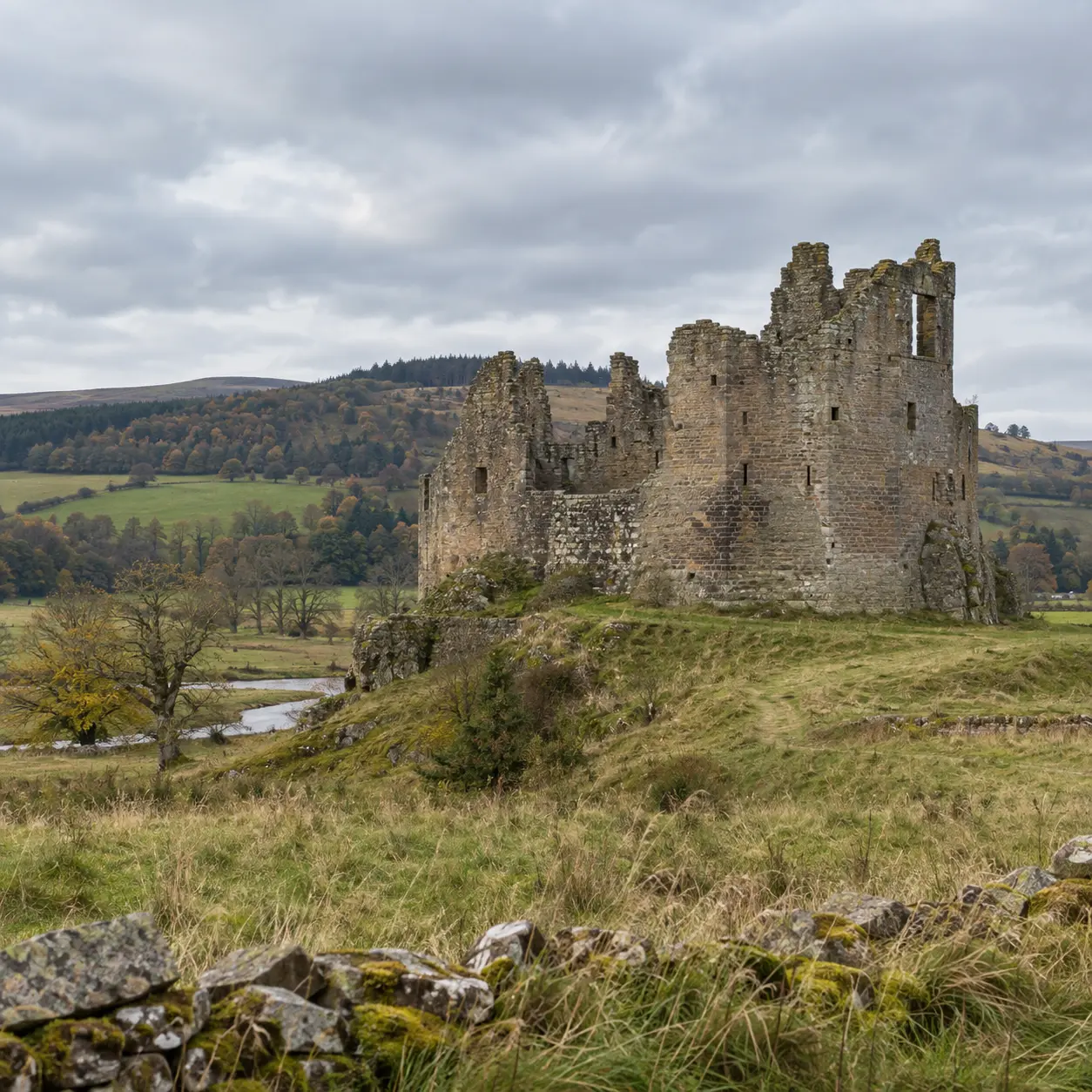
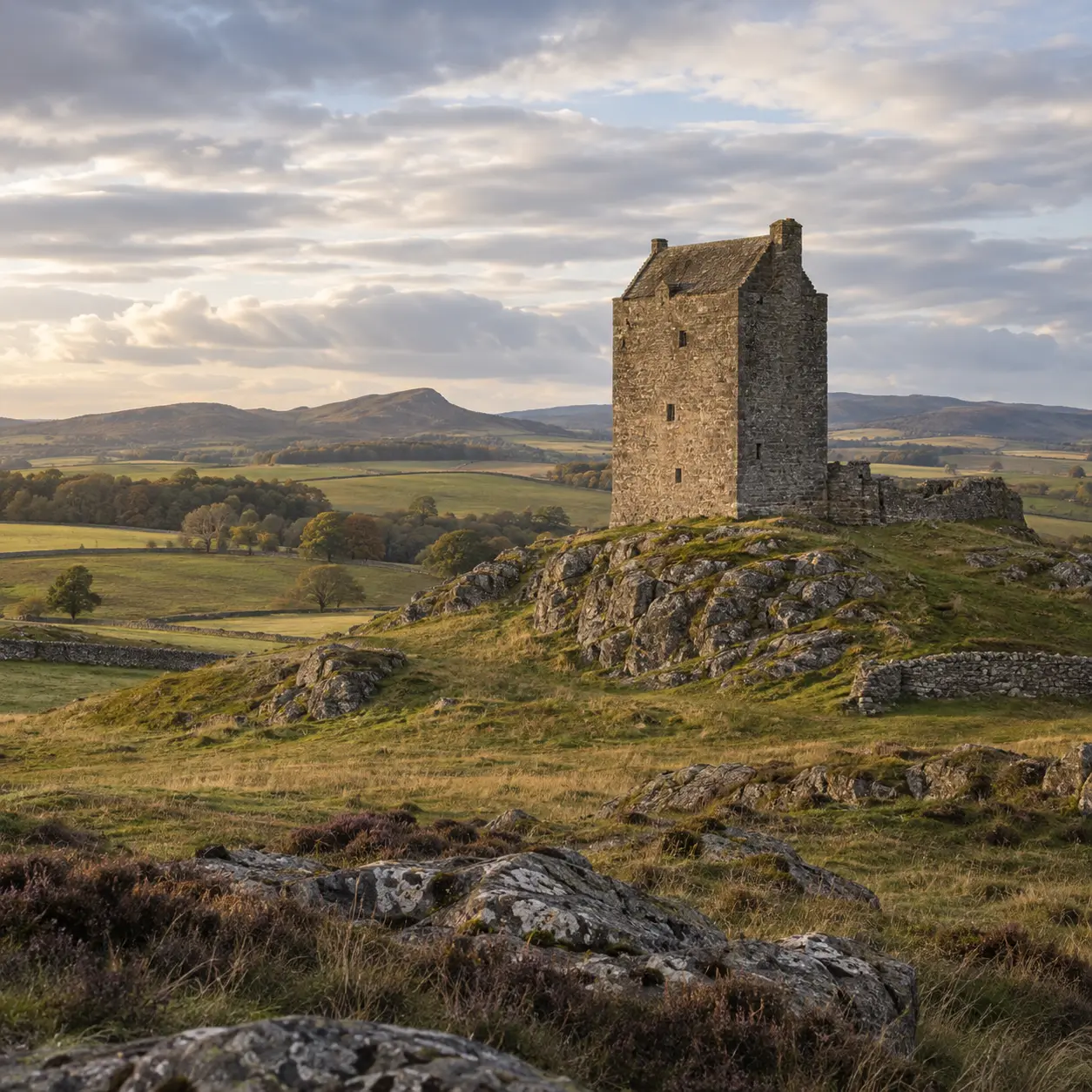
See the older landscape
Begin with the natural features and viewpoints that help explain why people chose particular places to live and gather.
Route visual
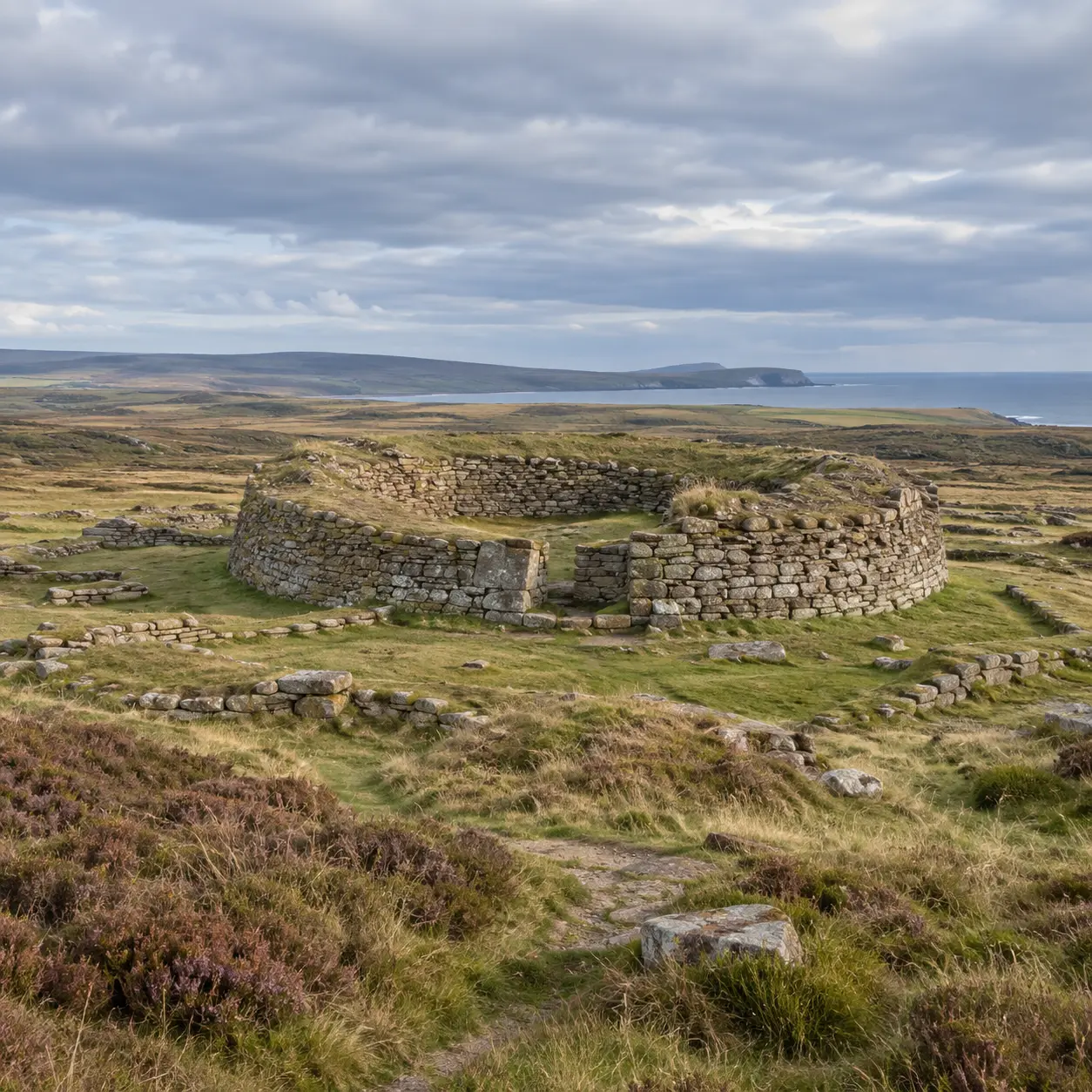
Edin’s Hall Broch · deep history in the Scottish Borders
Deep history
Before castles and reivers, people were already shaping this landscape. Spend a day exploring the older layers of the Borders.
Small private groups; typically up to four guests
Starting area: Agreed around the selected archaeological sites, often in the central or eastern Borders.
Private guiding with Mark · Vehicle travel between agreed sites · Route planning around your interests
Admission fees and food are extra unless agreed otherwise. Mark will confirm the total for your party before you book.
Planning your visit from overseasThe shape of the day
Prehistory can feel remote until you start to recognise its traces. A ridge, a stone, a field boundary or a museum object can make the deep past feel present, especially when it is explained as part of the landscape rather than as an isolated artefact.
This is a day for patient looking and good questions. The route can bring together archaeological evidence, the shape of the land and the limits of what we can responsibly know about the people who lived here thousands of years ago.
The deep past is not entirely lost; it survives in shapes, stones and absences. Taken together, those traces offer a disciplined but imaginative way to think about earlier Border communities.
Find your bearings
These tours explore southern Scotland and the wider border country with England. Tell Mark where you are staying and whether you will have a car, so the meeting point and route can be discussed before you make travel arrangements.
Day tours usually last five to eight hours. Allow for the journey to and from the agreed starting point; collection from your accommodation is something to discuss, rather than assume.
Some stops involve uneven ground or slopes. Mention walking limits when enquiring so Mark can explain what is practical for your party.
Read the travel and booking questionsAt a glance
This route combines driving with time outside at archaeological sites. The practical information is especially important if you are considering longer walks to earthworks or remains away from formal paths.
Walking level
Moderate to demanding; open countryside, earthworks and possible longer walks to archaeological remains.
Vehicle time
Driving between archaeological sites is part of the day; the final route depends on access and your interests.
Starting area
Agreed around the selected archaeological sites, often in the central or eastern Borders.
Typical group size
Small private groups; typically up to four guests
Payment
Bank transfer after the route and plans are agreed; details are supplied with the confirmation.
A good fit for
No specialist knowledge is required. The tour suits families, walkers and archaeology enthusiasts who enjoy asking how evidence was found and what it can — and cannot — tell us.
More than a stop on a map
The Stone Age Borders tour uses the title of the original film project, but the archaeological story ranges across several periods. Torwoodlee Broch and Edin’s Hall Broch are Iron Age remains, while hillforts, standing stones and the shape of the land open wider questions about how people used the Borders over thousands of years.
The route can include a longer walk to Edin’s Hall and a drive between sites, so it is as much a landscape experience as a visit to a monument. Mark will explain what the evidence can support, what remains uncertain and how archaeologists reconstruct lives from low walls, scattered stones and the places people chose to occupy.
Questions you can bring
Inside the itinerary
Begin with the geography, then examine what people left behind and how archaeologists turn partial remains into careful interpretations of life thousands of years ago.
Begin with the natural features and viewpoints that help explain why people chose particular places to live and gather.
Look at the traces that survive, and the careful detective work used to interpret them.
Make space for uncertainty, imagination and the connections that bring deep history into focus.
Good to know
A personal route
Keep exploring
A guest’s experience of touring with Mark
“We were treated to a wide variety of delightful adventures. I would highly recommend this tour to anyone looking for a gentle, yet deep introduction to these special lands.”
Ellen · California
Read guest feedbackGet to know the stories through Mark’s heritage archive, then bring your questions on the day.
Ask Mark about this tour